
Two valleys surround Jerusalem, just as Jesus surrounds us.
The Kidron Valley runs between Jerusalem’s eastern edge and the Mount of Olives. In Bible times, a dry streambed called a wadi flowed through it.
During King Hezekiah’s reign, priests removed pagan objects from the temple and carried them off to be dumped into the valley.
In the other valley, a worse dumping ground took place. Before Jesus’ time and before the Israelites lived in Jerusalem, pagan religions sacrificed babies to their idol god, Molech. Sadly, some of the Israelite leaders copied this practice. The place they committed this sin was in the Hinnom Valley (2 Chronicles 28:1-3; 33:6). During Jesus’ time, the Hinnom Valley became a stinky garbage dump full of dead animal carcasses and household waste.
When Jesus came, he walked in both of these valleys. “Jesus left with his disciples and crossed the Kidron Valley. On the other side there was a garden, and he and his disciples went into it” (John 18:1).
That night, Jesus was arrested and began his ultimate suffering and death as the promised sacrifice for the sins of the world. He experienced “being condemned to hell” (Matthew 23:33), hell described with a Greek word for “Hinnom.”
Valleys always serve the loving purposes of our God (see Psalm 23:4). They are never too low for him and never too dark for him. They are never too foul and never too foreboding. Jesus can cross them. Still today.

Teachers from hell
The digital revolution has brought enormous good to our world, but like every technological advance, it’s brought bad things too. We can get news…

My truth? Maybe!
Have you heard phrases like “be true to yourself,” “live your truth,” or simply, “my truth”? They seem to be the most popular doctrine…

Do you expect good leaders?
For the past handful of years, people from both political parties in the U.S. haven’t exactly been thrilled with the president. It’s as if…
About the Author
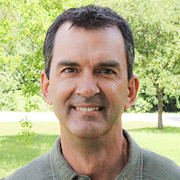
Pastor Daron Lindemann
Daron Lindemann serves at a new mission church in Pflugerville, Texas. He has authored several articles or series and writes a weekly blog called CrossWords. Pastor Lindemann lives with his wife, Cara, and has two adult sons.